Volatile markets sharpen investor focus. In 2026, buyers who want tangible security and daily pleasure are choosing vintage jewellery that they can wear, insure, and pass on. In Hatton Garden, demand for authenticated pieces from landmark eras has moved from steady to competitive. This is not a short cycle tied to seasonal styling. It is a structural revaluation driven by scarcity, provenance, and the cost of mastering techniques that modern workshops rarely repeat at scale. The result is a class of investment jewellery that behaves like portable fine art. You hold intrinsic metal and stone value, plus a cultural premium that compounds with time. Buyers are not only asking how a jewel looks. They are asking how it was made, when, by whom, and with what mark in the ledger of design history. Those answers now carry a price.
The mechanics are simple. Period pieces are finite. Entire categories of old cuts and handwork are past their peak in production. Meanwhile, the number of collectors seeking authenticated originals rises each year as information improves and auction data becomes easier to track. That asymmetry lifts values. In Hatton Garden, we see it across Edwardian platinum lacework, early Art Deco geometry in platinum and calibre sapphires, and Victorian gold with rich hand engraving. Add certificate-backed provenance, and you move from nice to necessary. Buyers who once bought on sight now buy on evidence. That shift restores trust and sends capital into quality.
Why Rarity Equals Resilience In 2026
Rarity in period jewellery is not a marketing idea. It is arithmetic. The output of Old Mine and Old European cut diamonds is fixed. The cutting houses that shaped these stones to candlelight proportions have closed or changed methods. You can repolish an old cut, but you cannot scale its birth. The same truth applies to early platinum knife-edge settings, fine millegrain borders, hand-pierced galleries, and crisp hand engraving in high-carat gold. Each skill demands time, specialist tools, and training lines that have thinned across the last century.
When inflation bites, bullion can store value. Period jewellery outlets more. Metal and stone are the floor. Above that sits artistry, date, and documented story. Those premiums move independently of commodity cycles. In 2026, that independence makes antique jewellery buyers in London confident. They can insure the piece for its current replacement value, then hold through a cycle while enjoying it in use.
Auction rooms confirm the thesis. Signed or exceptional period work is meeting intense competition, often clearing two to three times the low estimates when condition and paperwork align. Hatton Garden private sales match the pattern for rare cuts, original mounts, and complete suites. The takeaway is clear. Rarity is not fragile. It is resilient when it is verifiable.
How Era Signatures Drive Value
Not every old jewel rises at the same pace. Era signatures that are hard to fake and expensive to repair lift fastest.
Edwardian Elegance
The years around 1901–1910 saw platinum refined for jewellery. Makers used their strength to create gossamer structures with near-invisible settings. Look for knife-edge shanks, lace-like piercing, and fine millegrain. Stones often sit low yet blaze with light through precise metalwork. When intact, these settings carry a premium because re-making them to period standards takes specialist bench time and a keen eye.
Art Deco Geometry
From 1920 into the mid-1930s, symmetry and contrast set the tone. Platinum frames, calibre-cut sapphires, onyx, and crisp step-cut diamonds define the language. Restoration today requires matching-calibre stones cut to fit exact apertures. That labour explains the price of clean Deco bracelets, target rings with original calibré borders, and rectangular panel brooches.
Victorian Sentiment And Gold
Across 1837–1901, high-carat gold and symbolism ruled. Think mourning jewels with compartments, acrostic rings, and lockets with deep engine-turning. Rose-cut diamonds lift softly in evening light. Surfaces show confident hand engraving. Authenticity matters here because many motifs are copied. Weight, artistry, and hallmarks separate originals from later pastiche.
What Certification And Provenance Prove
A jewel rises on trust. The fastest way to establish trust is documentation. UK hallmarks give metal fineness, assay office, and date letter. Maker's marks identify the workshop. Together, they anchor a jewel in time and place. An independent gemmological assessment then records the stone's identity, measurements, and condition. When a piece carries a trail of receipts, exhibition notes, or family papers, it gains a narrative that markets reward. At Smith Green Jewellers, every Hatton Garden jeweller's acquisition is reconciled against the register, then appraised by a qualified gemmologist with a 2026 market valuation for insurance. That process supports both purchase and future sale.
Bold stamps matter. A clean hallmark on an Edwardian plaque bracelet or a signed clasp on a Deco rivière can shift a price band on its own. In rings, under-gallery inscriptions and dates often add both romance and liquidity. Buyers want a story with substance. The paper with the piece meets that need.
Where Restoration Protects Returns
Restoration is not re-making. It is a minimal intervention that preserves the original intent. The right workshop works with period logic. That means hand-cutting millegrain rather than machine beading. It means sourcing old cut diamonds to replace lost stones rather than modern brilliants that jar with the set. It means choosing platinum solder compatible with vintage alloys to avoid brittle joints. The point is simple. Good restoration sustains value and use. Heavy modern rework can lower the value even if it looks neat. In Hatton Garden, we document every step so your future buyer sees what was done, when, and by whom.
Wearability sits with value. Prongs must hold, links must move, and clasps must bite. An investment you cannot wear does not meet the brief. Balancing integrity with originality takes judgement. That is where a seasoned bench and a cautious hand protect returns.
Which Designs Lead Demand Now
Patterns in 2026 show five clusters moving fastest in private sales and auctions.
Early Platinum Rings With Lacework Shoulders
Low-set centres in platinum, with pierce-work shoulders and an acceptable millegrain frame, both for old brilliants and sapphires. These marry daily comfort with light performance. Originality in the gallery and shank lifts the price.
Art Deco Line Bracelets And Panel Bracelets
Continuous runs of square and rectangular links with step-cut stones remain liquid. When calibre sapphires or onyx borders are intact and articulated smoothly, competition is intense. Authentic flexible mounts matter.
Victorian Lockets And Heavy Chain
High-carat gold in deep colour with crisp engraving is back in full use. Substantial trombone link chains and ornate lockets carry both aesthetic and scrap floors—the condition of hinges and barrels matters.
Target Rings With Calibre Halos
Jewel-tone calibré surrounding a centre old cut feels current and unmistakably Deco. Matching replacement calibré raises costs, which supports prices for intact originals.
Rivières With Graduated Old Cuts
Graduated runs of old brilliants or old mines in platinum or high-carat gold continue to set records when stones are well matched, centres are lively, and the clasp is original and sound.
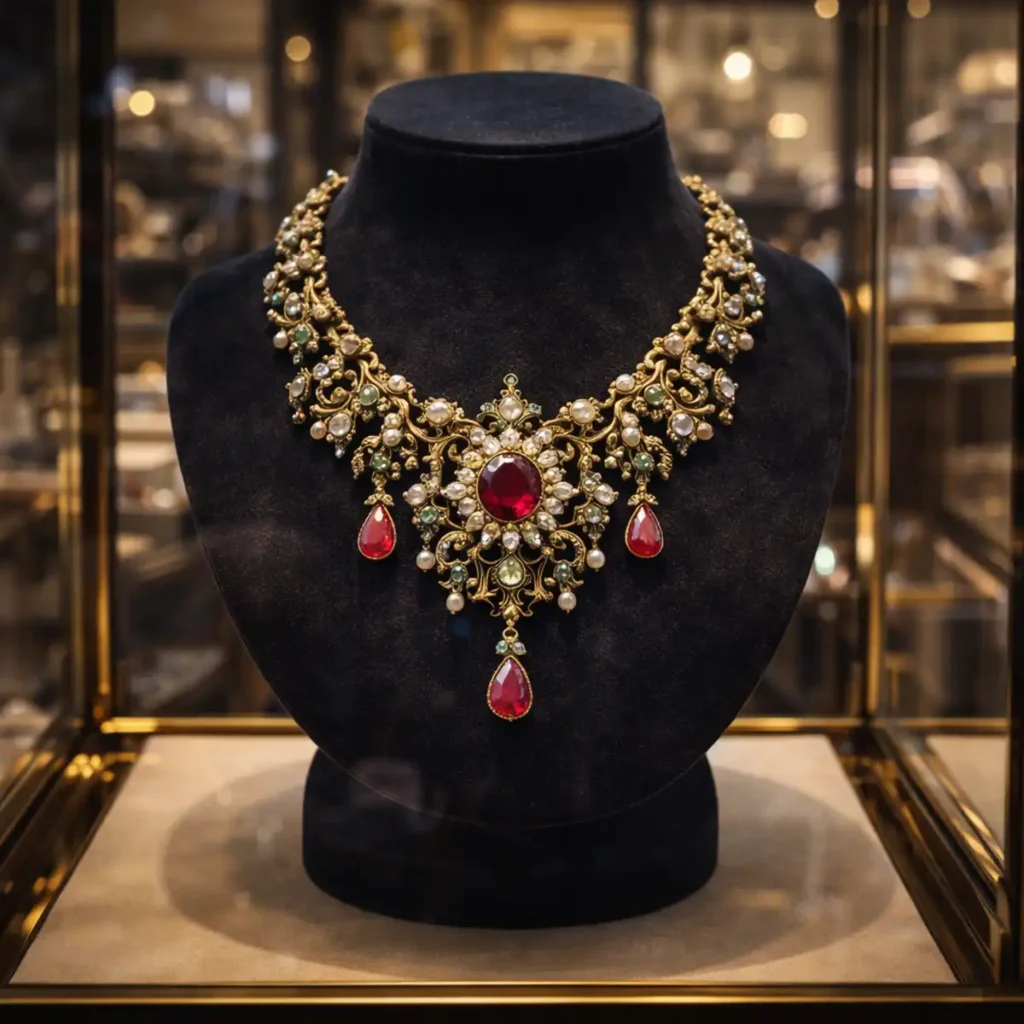
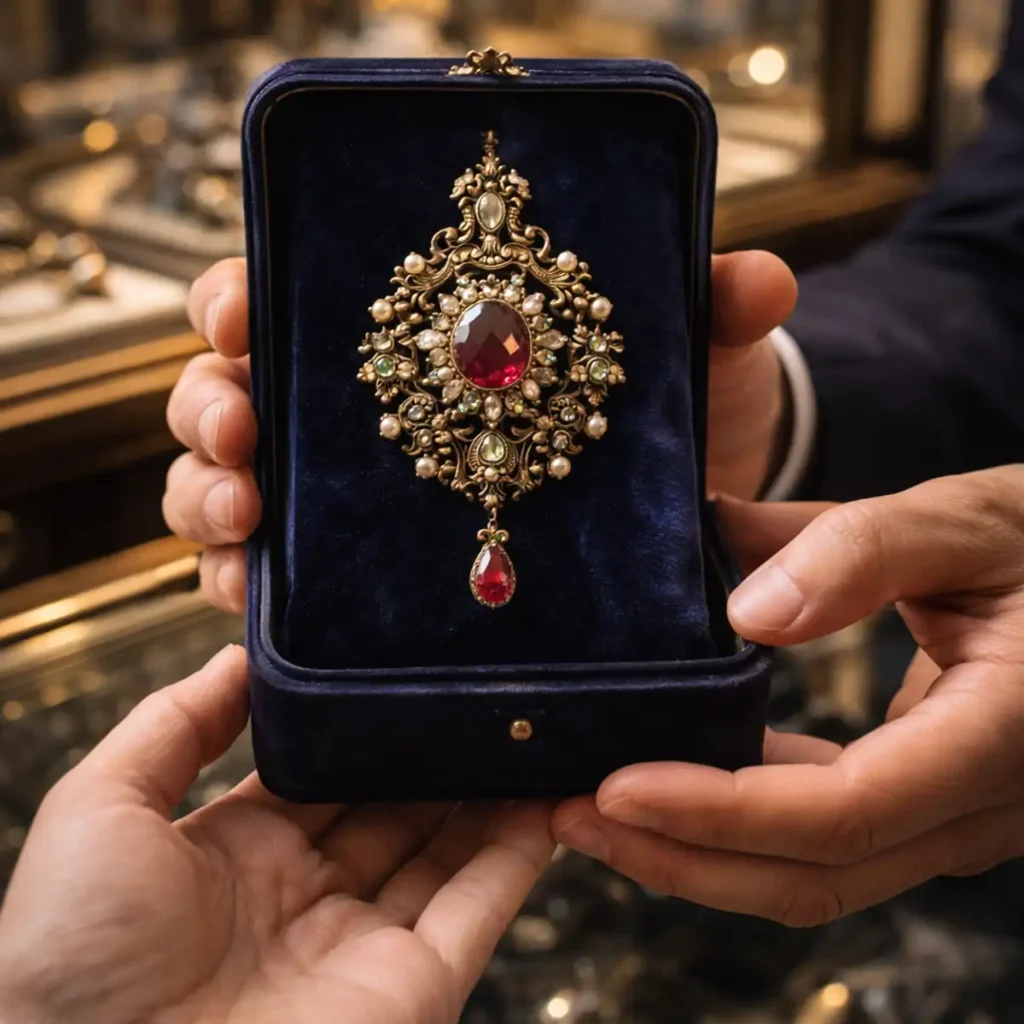
How To Buy With Confidence In Hatton Garden
The best outcomes come from process. Begin with education. Handle examples from each era. Learn the feel of platinum handwork versus cast later copies. Inspect hallmarks with a loupe. Ask for stone measurements in millimetres, not just carats, so you can compare spread and proportion. For rings, assess finger height and balance. For bracelets, assess articulation and clasp function. For necklaces, assess solder integrity at every link.
Always request an independent appraisal that states era attribution, metal fineness, gemstone details, condition notes, and comparable sale references where applicable. Confirm return terms and warranty for restoration work. Then, secure appropriate insurance based on the current jewellery valuation rather than old purchase receipts.
If you are building a portfolio, set themes to avoid scatter. One client might focus on Edwardian platinum rings with documented hallmarks. Another might assemble Art Deco sapphire-and-diamond target rings with calibre halos. A third might concentrate on Victorian lockets with original photographs and inscriptions. Focus creates depth. Depth attracts curators and future buyers.
Why Ethical Considerations Strengthen The Case
Vintage is the most responsible form of luxury. No new mining. No fresh environmental load. No speculative production. You reuse material and preserve craft. For many buyers, that alignment with sustainability is decisive. Recycled gold in a new piece is good. An original high-carat Victorian necklace, restored with period techniques and parts, is better because it preserves cultural capital as well as material value.
Supply chains also matter. At Smith Green, we record the source and intake route for each jewel, then log any interventions. That chain of custody supports E-E-A-T at the point of sale and at the next valuation.
What Risks To Watch And How To Limit Them
Every asset has risks. In period jewellery, the common pitfalls are over-polishing, incorrect stones, thin claws, stressed solder, and mixed parts that turn a jewel into a marriage of periods. Hallmarks can be rubbed or struck later. Signatures can be forged. These risks are manageable with a structured checklist.
Ask for:
• Clear images of hallmarks and maker's marks.
• Measurements and weights in standard units.
• A repair log with dates and techniques.
• UV and magnified photographs were helpful.
• A third-party appraisal with a named valuer.
Price sensitivity is rational. Do not overpay for condition issues that you cannot solve. Conversely, do not underprice pieces that carry correct hallmarks, original settings, and documented stories. Markets move money to certainty.
How To Insure And Store For Long-Term Value
Insurance should reflect current replacement value and account for scarcity and artistry, not just metal and carat. Update valuations every 24 months or after significant market moves. Use a safe with an appropriate rating at home, and a bank box for pieces worn less often: store bracelets and necklaces flat with silk or acid-free tissue to prevent kinks. Keep rings separate to avoid scuffs from contact. Photograph the piece against a scale, and file images with certificates and invoices. If you travel, carry proof of ownership and valuation in digital form.
Wear your pieces. Controlled use keeps joints moving and surfaces bright. Schedule checks for prongs, clasps, and links each year. Minor maintenance is an investment cost that protects your capital.
Why 2026 Favourable Conditions Create Momentum
Three forces align this year—first, information. Collectors have more transparent data on sales and benchmarks, which guides fair pricing and reduces fear. Second, supply. Estate intakes fluctuate, but significant pieces do not flood the market—third, taste. Modern styling has shifted toward cleaner lines that pair well with Deco geometry and Edwardian lacework. Vintage engagement rings sit naturally next to contemporary bands. Heavy gold chains sit with current tailoring. That cross-compatibility widens the buyer base and deepens liquidity.
Who Should Consider Period Jewellery Now
If you want an asset you can enjoy daily, and that does not closely track equities, period jewellery fits the bill. If you wish to have a family piece that records both your story and an earlier era, it fits again. If you prefer sustainability built into the product, it fits a third time. The key is to buy well. Choose workshops that can restore correctly and document their work. Choose sellers who provide an independent appraisal and clear terms. Choose pieces that sit in your life. Jewellery that lives in a safe forever does not pay its dividend in joy.
Fun fact: Victorian acrostic rings spell secret messages with gem initials, such as Regard for Ruby Emerald Garnet Amethyst Ruby Diamond, which adds romantic value and collector appeal.
Actionable Steps For Your Next Appointment
- Shortlist your target eras and forms. Example: Art Deco target rings or Edwardian bracelets.
- Set a budget range that includes future maintenance at 1% to 2% of value per year.
- Book a viewing and handle pieces in natural light where possible.
- Request hallmark images, a repair log, and an independent appraisal.
- Decide on any restoration with period-correct methods before purchase.
- Arrange insurance at the agreed valuation on the collection day.
- Keep all documentation together for future sale or succession.
Conclusion: The Case For Wearable Wealth In 2026
Vintage and period jewellery meets the moment. It gives you cultural gravity, visual pleasure, and a hedge that is not tied to a single index. Scarcity, provenance, and skilled restoration do the heavy lifting. Hatton Garden workshops provide the precision that protects both beauty and value. In a year when investors want assets they can hold and enjoy, antique rings, Art Deco bracelets, and Edwardian platinum jewels stand out. As the saying goes, fine things prove themselves in time. In jewellery, time is not only a test. It is the secret ingredient that turns a beautiful object into lasting wealth.
Continue Reading
Newsletter
Stay updated on Hatton Garden Jewellers news