A chronograph can be a noisy object in the wrong hands. In Mayfair’s private members’ clubs and the oak-panelled boardrooms of the City, the mood in 2026 is the opposite. London buyers who once chased visible flex are choosing pieces that reward a second look. The quiet luxury chronograph has become the shorthand for that preference, pairing an honest complication with a dial that refuses to shout.
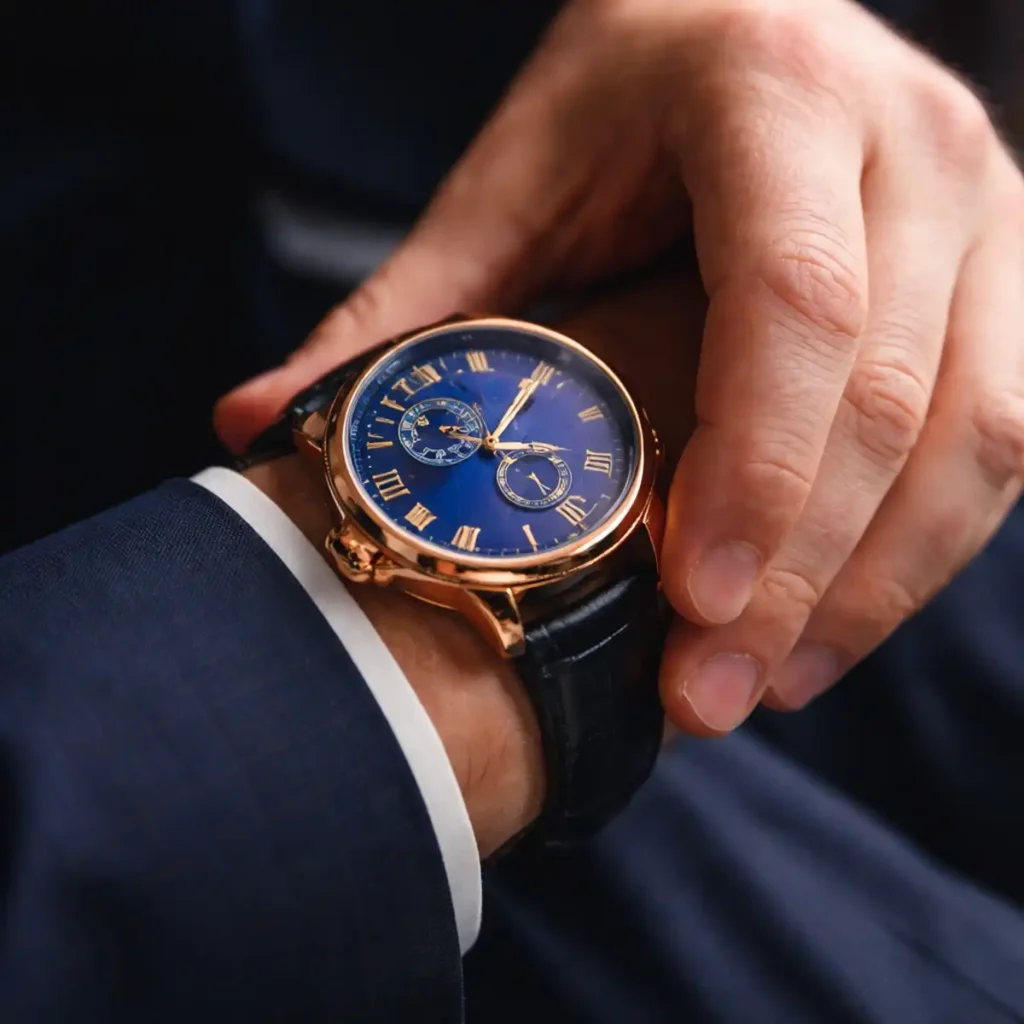
The appeal is practical as much as social. A minimalist chronograph reads cleanly under low light, slips under a cuff, and still offers the small satisfaction of mechanical interaction, whether timing a speech rehearsal or a taxi run across town. A restrained watch also ages well, because it is anchored in proportion and finishing rather than hype. [INTERNAL LINK: what to look for when buying a chronograph watch | chronograph buying checklist]
A useful starting point is to separate understatement from simplicity. Quiet luxury is not the absence of detail, but the decision to hide it in plain sight, in case profiles, pushers, typography and the movement architecture behind the dial.
Because A Quiet Luxury Chronograph Signals Taste Without Noise
A quiet luxury chronograph is a chronograph watch that prioritises proportion, legibility and finishing over showy styling. The complication remains functional, but the design avoids visual clutter, oversized cases and attention-grabbing materials. The result is an object that communicates confidence to collectors without demanding recognition from everyone else.
In London’s current social code, subtlety works as a filter. A watch that looks calm at a glance often signals that the wearer has thought about history, mechanics and long-term ownership. That is why understatement can read as more expensive than obvious luxury, even when the case metal is not the point.
The quiet approach also reflects where the market has settled after the speculative highs of recent years. A watch that is chosen for daily wear tends to be bought with fewer shortcuts, and it is serviced, insured and kept with intention. That behaviour supports value far more reliably than a short-lived trend.
Why Are Minimalist Chronographs Replacing Statement Watches In London
Minimalist chronographs are replacing statement watches in London because social signalling has shifted from visibility to credibility. Large integrated-bracelet sports watches and glossy ceramic bezels still sell, but they can feel performative in rooms where people already know who is who. A restrained chronograph reads as informed rather than loud.
The change is easiest to notice in mixed settings, where business and leisure overlap. At a gallery opening in St James’s or an event around the Chelsea Flower Show, the safest watch choice is one that does not dominate conversation. Minimalism is the new etiquette.
A further driver is wearability. The modern London wardrobe is built around knitwear, tailoring and soft jackets, and the watch that suits it best is the one that sits flat and catches as little as possible. A chronograph in a traditional round case supports that goal more naturally than a chunkier silhouette.
What Is A Chronograph And How Do Minimalist Dials Keep It Useful
A chronograph is a mechanical complication that measures elapsed time via start, stop and reset pushers that control a dedicated seconds hand and, often, sub-dials. A chronograph can time anything from a short call to a commute, while the watch still tells the time. Minimalist dials protect readability.
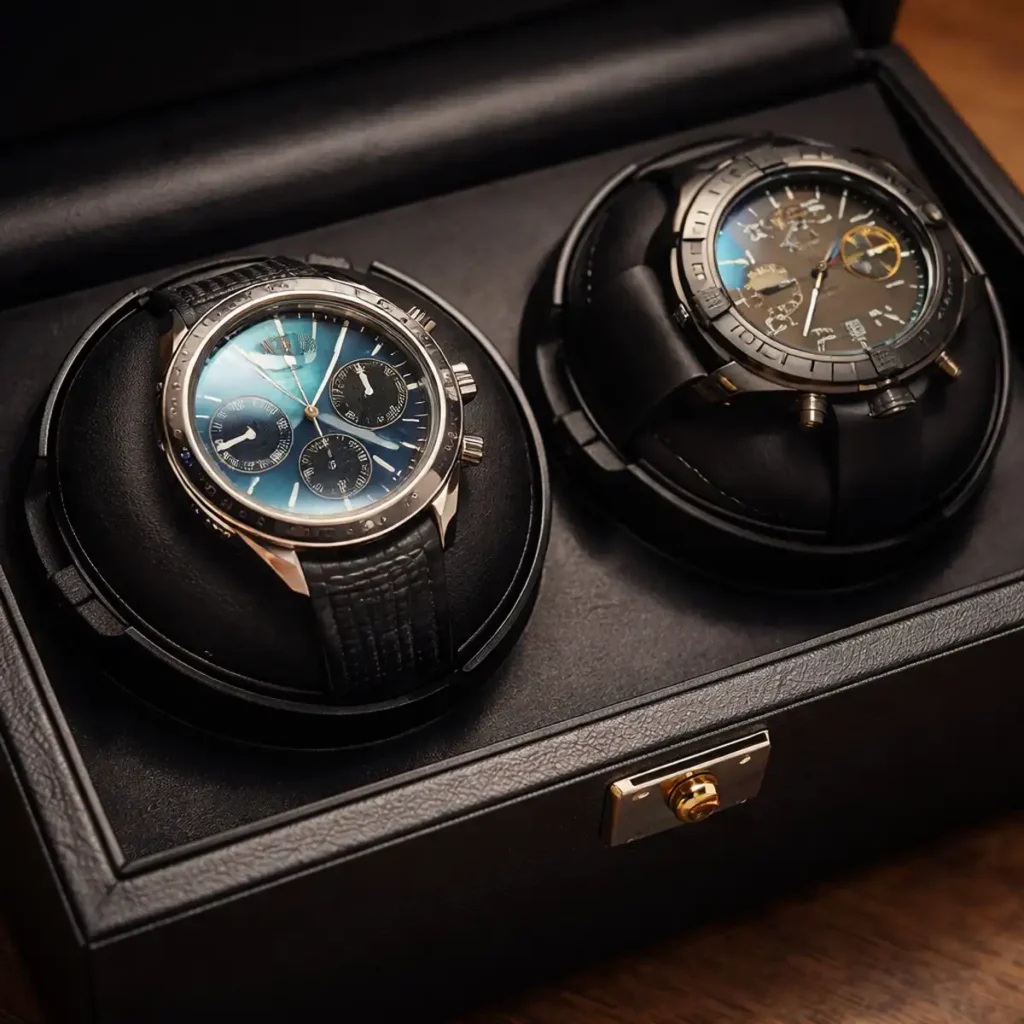
In practice, minimalism is achieved through layout discipline. Sub-dials are placed with restraint, typography is scaled for clarity, and the minute track is treated as a precision instrument rather than decoration. When a chronograph is quiet, the function becomes easier to access, not harder.
For first-time mechanical buyers, the key is to test the ergonomics. A chronograph should be intuitive to operate, with pushers that are easy to find by feel and hands that remain legible at a glance. Quiet luxury is as much about usability as it is about taste.
How Do Pulsometer Scales And Sector Dials Create Modern Restraint
Pulsometer scales and sector dials create restraint by replacing loud sport cues with functional, clinical references. A tachymeter can dominate a bezel, while a pulsometer sits quietly within the dial. Sector layouts organise the minute track and sub-dials, so the chronograph reads as a precision instrument rather than decoration.
The appeal of the doctor’s watch revival in 2026 is that it gives collectors a story that is not based on hype. A pulsometer scale refers to timing pulse rates, which feels quietly intellectual even when it is used for everyday timing. A sector dial, with its clear divisions and “railroad” minute track, reinforces the same intent.
Design choices also influence how a watch photographs and how it wears. High-contrast black dials with crisp Arabic numerals and a minute track are not just practical; they read as confident under different lighting. That is one reason minimalist chronographs have become so compatible with London’s evening culture.
Fun fact: The pulsometer scale was originally designed to help physicians count pulse rates quickly with a chronograph.
Why Does London Favour Stealth Wealth Over Visible Hype
London favours stealth wealth because social status is already established in many rooms, so discretion carries more credibility than display. In 2026, visible hype can feel out of place in Mayfair clubs and City boardrooms. A minimalist chronograph offers private enjoyment and peer recognition without attracting casual attention.
There is also a local relationship with heritage. Londoners live among architecture that carries time in its materials, and that sensibility transfers to the wrist. A chronograph chosen for its movement integrity and finishing feels like a permanent object, not a seasonal accessory.
A well-known example of this “secret handshake” effect is the contrast between a gold Rolex Daytona and a more traditional high-complication chronograph in a round case. In some London rooms, the former can feel a touch nouveau, while the latter implies a collector’s eye.
What Makes Column Wheel Chronographs Feel Different On The Wrist
Column wheel chronographs feel different because the mechanism delivers a smoother, more precise pusher action than many cam-actuated designs. The tactile sensation matters in quiet luxury, because the pleasure is private and repeated. A collector notices the clean engagement long before anyone else notices the watch.
The movement finishing reinforces that intimacy. Details such as black polishing on steel components and anglage on bridge edges are often the difference between a chronograph that is merely expensive and one that feels carefully made. The value sits in the craft that cannot be seen from across a room.
For buyers comparing options, it helps to handle the watch and operate the pushers several times. A chronograph should feel consistent, with a reset that snaps cleanly back to zero. [INTERNAL LINK: our comparison of column wheel and cam chronographs | column wheel vs cam chronograph explained]
Which Quiet Luxury Chronograph Watches Carry True Provenance
Quiet luxury chronograph watches carry true provenance when the design, complication and history align, and when that alignment is recognised by serious collectors. A Patek Philippe 5370R, with a black enamel dial and a split-seconds chronograph, fits the London taste for traditional round cases and high craft without obvious flash.
Vintage chronographs from Patek Philippe and Vacheron Constantin also hold a particular fascination, especially references from the 1940s and 1950s. Those watches represent an era when chronographs were built as specialist instruments, and the ageing of dials and cases can look like character rather than wear.
Independents add a different form of scarcity. A bespoke commission from Rexhep Rexhepi can carry the ultimate social advantage in London, because the watch is not just rare, it is personally specified. The trade-off is that provenance becomes more dependent on documentation and the reputation of the maker.
How Should Buyers Assess Value And Ownership Costs In 2026
Assess value in 2026 by focusing on ownership reality rather than short-term price swings. A minimalist chronograph tends to hold up when it is bought for craft, rarity and wearability, not for a quick flip. The strongest purchases remain satisfying even if secondary market prices flatten.
A practical ownership lens starts with availability and the purchase route. Authorised dealers offer straightforward warranty support and clear paperwork, while the secondary market can offer selection and speed at the cost of additional checks. Provenance matters more as prices rise, because the downside of a mistake increases. [INTERNAL LINK: how to check papers and provenance on a luxury watch | authenticity and paperwork checklist] Retail pricing and warranty terms vary by maker, and specific figures were not confirmed at the time of writing.
Servicing is also part of the economy. Mechanical watches commonly benefit from a service cycle in the 5 to 10 year range, and complex chronographs can cost more to maintain than time-only watches. Insurance is sensible for higher-value pieces, especially when the watch becomes part of daily life in London.
Because The Right Minimalist Chronograph Can Outlast A Season
The minimalist chronograph trend is better read as a reset in taste, not a passing fashion. Quiet luxury rewards proportion, legibility and movement integrity, so the watch works in a City week and still feels right at dinner. That durability is why London has embraced it.
Buyers should try the pushers, confirm the dial remains readable under low light, and insist on complete paperwork before money changes hands. Authorised dealers simplify warranty support, while the secondary market demands stricter checks on condition and provenance. Plan for servicing in the 5 to 10 year range and ensure higher-value pieces. For London, a quiet luxury chronograph is the rare watch that looks understated and still feels special.
Continue Reading
Newsletter
Stay updated on Hatton Garden Jewellers news